PREPARATION REQUIREMENTS
 Prepare your yoga mat/area.
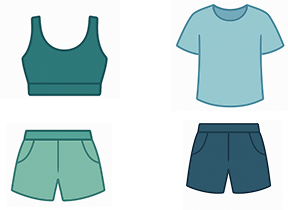 Wear comfortable sportswear.
Please note that we have a strict no-naked policy.Make sure to drink lots of water before your session. Good hydration helps increase relaxation, absorption, and muscle recovery.
Drink the intended tea set (if any) after the session to aid your body, move easily, and not feel discomfort. Please avoid using lotion or moisturizer on your legs and feet before the massage.
 Prepare 2 small towels for the stretching session.
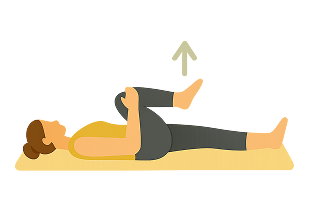 Before the therapy begins, stretch your arms, hands, and fingers gently in order to prepare your muscles.
STRETCHING
A stretching massage designed to increase flexibility by stretching muscle groups with gentle, sustained pressure. It enhances circulation, improves posture, and relieves tension and muscle restrictions, assisting in good posture and reducing discomfort. All sessions are tailored to your flexibility & tolerance level, so you can move freely after physical activities.
STRETCHING LEVEL

- Light: Gentle and gradual stretches
- Moderate: Firm stretch, moderate intensity
- Hard: Deep and intensive stretches
TECHNIQUES
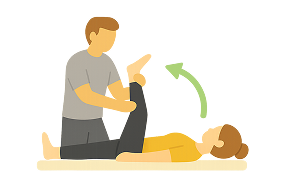 Assisted Stretching: Gentle manipulation and stretching of the muscles with assistance from the therapist to improve flexibility.
Proprioceptive Neuromuscular Facilitating (PNF): A stretching method involving both muscle contraction and relaxation to achieve more stretch.
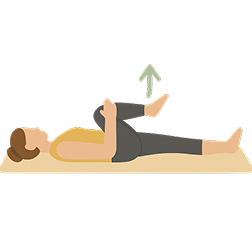 Static, Dynamic & Isolated Stretching: Smooth movements through the full range of motion to prepare muscles and joints for activity.
BENEFITS
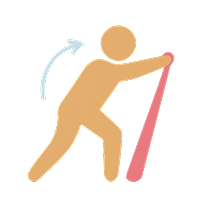 Improved Flexibility: Assisted stretching gently lengthens muscles and fascia, increasing range of motion and overall body flexibility.
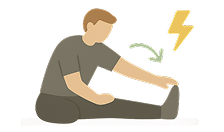 Enhanced Muscle Recovery: Stretching after activity helps flush out toxins and reduce soreness, supporting faster recovery.
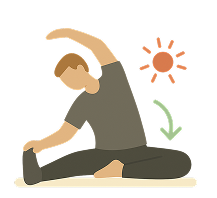 Pain Reduction: Targeted stretching relieves muscle tension and improves posture, reducing knee, lower back, and hip pain.
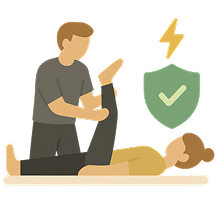 Reduced Risk of Injury: Regular stretching improves muscle flexibility and joint range of motion, lowering risk of sprains or strains.
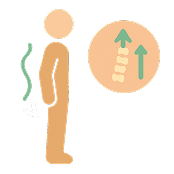 Improved Posture: Stretching alleviates muscle tightness, improves posture, and relieves tension from sedentary work or physical activities.
 Increased Athletic Performance: Greater flexibility and range of motion enhance performance, comfort, and agility during physical activities.
THERAPY RISKS
 Burns or Healing Wounds (could cause irritation or delay healing)
 Fractures (risk of worsening the injury or causing pain)
 Osteoporosis (bones may be too fragile for pressure or stretching)
 Recent Surgery (may interfere with the healing process)
 Muscle Injuries (stretching may aggravate strained or torn muscles)
 Joint Inflammation (may aggravate swelling or pain)
- Circulatory problems (may affect blood flow or worsen symptoms)
Recommended Frequency
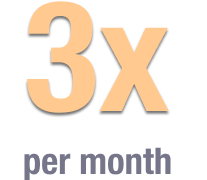 General Mobility & Well-being: 3x per month (to maintain joint flexibility, reduce muscle stiffness, and support overall body balance and posture).
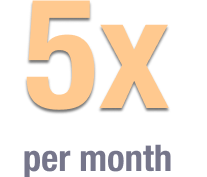
- Athletic Performance, Posture Correction, Chronic Tension: 5x per month (to improve range of motion, relieve deep-seated tension, boost performance, and prevent recurring tightness or injuries).
SUGGESTIONS AFTER STRETCHING SESSION
 Take a warm shower after your session to relax the body, recover motion, and help you feel more refreshed.
 Avoid running or exercising your muscles immediately after your session.
 Try not to eat a large meal just after your appointment.
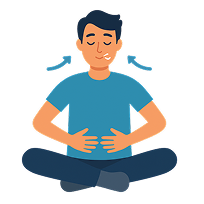 Take deep breaths and relax. It helps sustain the feeling of relaxation and energize your muscles.