PREPARATION REQUIREMENTS
-
 Prepare your yoga matress.
-
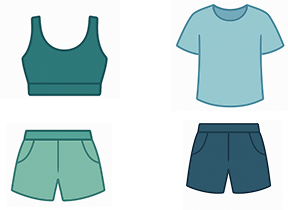 Wear comfortable sportswear. Please note that we have a strict no-nudity policy.
-
Make sure to drink lots of water before your session. Good hydration helps improve circulation, allowing the lactic acid released during the treatment to exit your body more easily and with less discomfort.
-
 Please avoid using lotion or moisturizer on your body before the yoga session.
-
 Prepare 2 small towels for the stretching session.
-
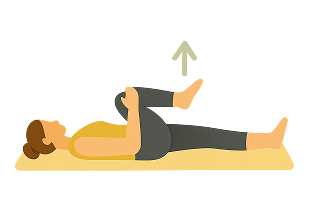 Before the therapy begins, stretch your arms, hands and fingers gently in order to prepare your muscles.
YOGA SESSION
A guided yoga session focused on enhancing flexibility, strength, and mind-body connection. Through a series of controlled postures and breathing techniques, this session promotes balance, reduces stress, and improves overall physical alignment. Ideal for individuals seeking to build core stability, release tension, and support long-term well-being.
STRETCHING LEVEL

- Light: Gentle poses with slow transitions. Ideal for beginners or relaxation-focused sessions.
- Moderate: Balanced practice with strength-building postures and moderate intensity. Suitable for most levels.
- Hard: Challenging sequences with deep holds, advanced poses, and high physical engagement.
Techniques
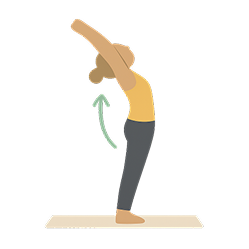 Sun Salutation (Surya Namaskar): A dynamic series of poses performed in a flowing sequence to warm up the body.
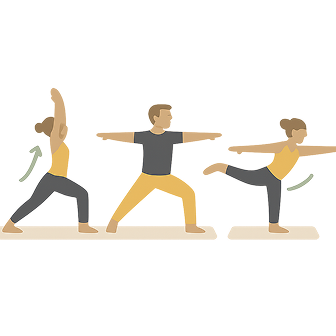 Warrior Series: Strong, grounding poses that build lower body strength and stability.
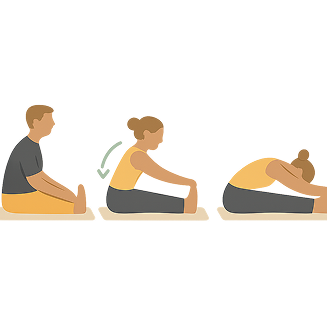 Seated Forward Bends: Calming stretches that improve flexibility and relieve tension.
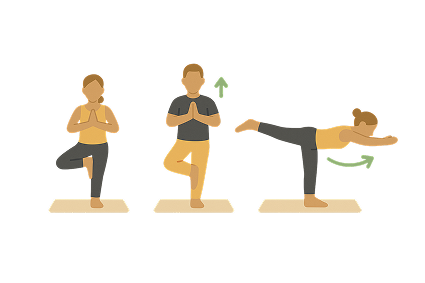 Balancing Poses: Poses like Tree or Eagle that develop focus, coordination, and core control.
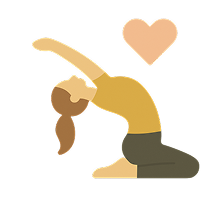 Backbends: Heart-opening postures that increase spine flexibility and energize the body.
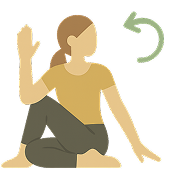 Twists: Gentle or deep rotations that support spinal health and detoxification.
BENEFITS OF YOGA
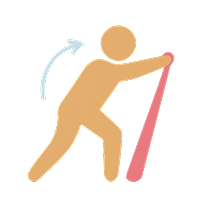 Improved Flexibility: Regular practice stretches and lengthens muscles, enhancing overall flexibility.
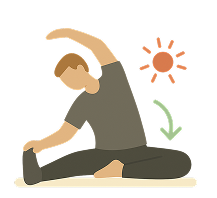 Better Posture and Alignment: Yoga helps correct imbalances and promotes proper spinal alignment.
 Reduced Stress and Anxiety: Breathing techniques and mindfulness promote mental calm and reduce cortisol levels.
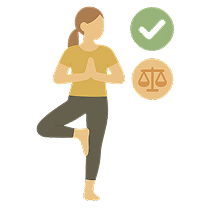 Enhanced Balance and Coordination: Postures improve proprioception and overall body control.
- Joint Mobility and Pain Relief: Gentle motion lubricates joints and can alleviate stiffness or chronic pain.
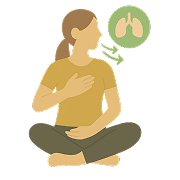 Better Breathing and Lung Capacity: Pranayama (breath control) improves respiratory function.
 Improved Sleep Quality: Yoga promotes relaxation and reduces physical and mental tension, supporting restful sleep.
 Boosted Energy and Vitality: Regular practice improves mood, focus, and overall well-being.
Therapy Risks
 Uncontrolled Hypertension (certain poses may raise blood pressure.)
 Glaucoma (inverted poses can increase eye pressure)
 Osteoporosis (fragile bones may fracture or cause pain)
 Herniated Disc (spinal flexion may worsen existing issues)
 Pregnancy. High Risk (some poses may be unsafe during pregnancy)
 Recent Surgery (may interfere with the healing process)
 Vertigo or Balance Disorders (Certain poses may increase the risk of falls)
 Circulatory problems (may affect blood flow or worsen symptoms)
Recommended Frequency
 Mindful Movement & Everyday Well‑being: 3× per month (to maintain gentle flexibility, ease day‑to‑day tension, cultivate steady mind–body awareness, and support calm focus)
 Strength, Flexibility & Postural Mastery: 5× per month (to build functional strength, deepen range of motion, refine alignment in more advanced postures, accelerate skill progression, and help prevent practice‑related injuries)
SUGGESTIONS AFTER YOGA
 Take a warm shower after your session to soothe your muscles, support relaxation, and help your body recover more effectively.
 Avoid running or exercising immediately after your appointment.
 Try not to eat a large meal just after your appointment.
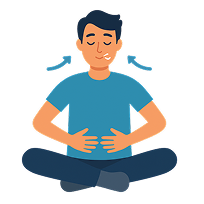 Take deep breaths and relax: It helps extend the feeling of relaxation and oxygenate your muscles.